
A power outage does not always arrive with a warning. It may follow a storm, a vehicle strike, a utility issue, or a problem limited to your own home. The first few minutes can feel more disruptive than they are, especially when the garage door, internet, lights, refrigeration, or a well pump suddenly stop working. The useful response is to slow down, check what is happening, and protect the things that matter before trying to make the house feel normal again.
This guide is for the active outage, after the power has already gone out. Hyperion's power outage preparation guide covers the planning that makes this moment easier. Here, the focus is on the safe steps to take now, the shortcuts to avoid, and the signs that the problem may be inside your home rather than on the utility side.
1. Check Whether the Outage Is Only at Your Home
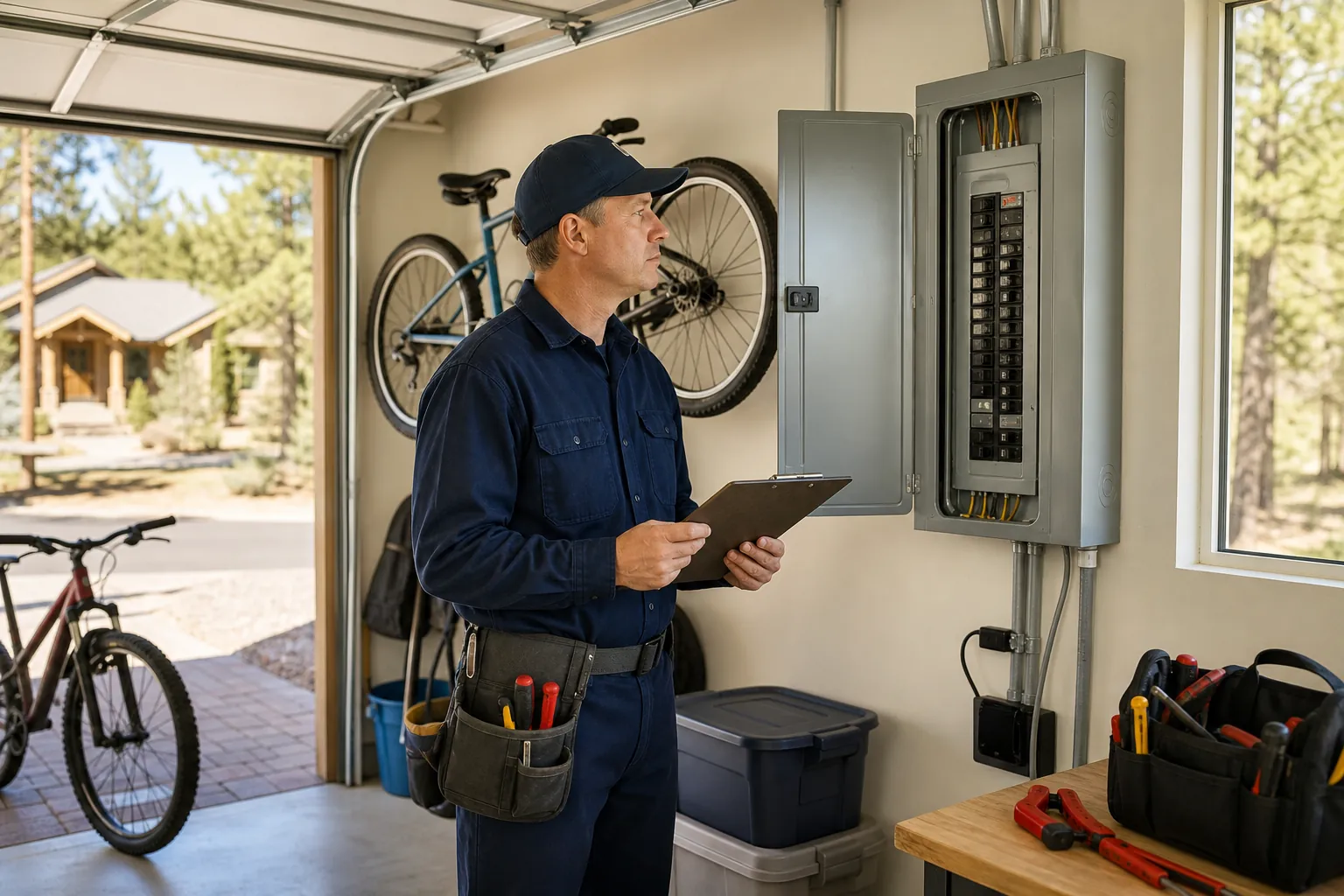
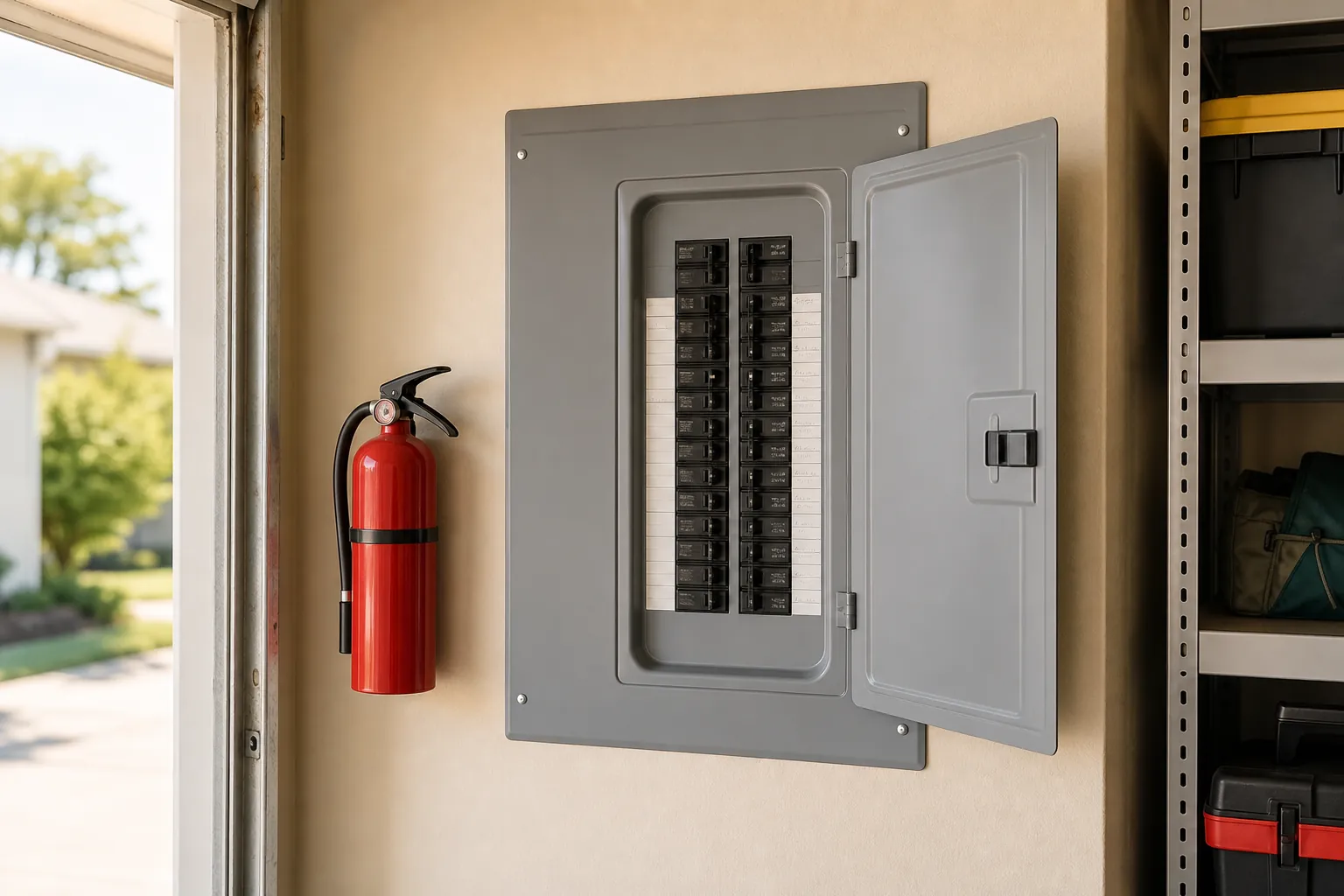
Start with a quick, safe check. Look outside to see whether nearby homes and streetlights are also dark. Check your electrical panel only from the front, without removing its cover. If every breaker looks on and the neighborhood is out, the issue is likely beyond your service. If nearby homes have power but yours does not, a tripped main breaker, an electrical fault, or a utility service issue may be involved.
Do not keep resetting breakers to see what will happen. One breaker that has visibly moved to the middle or off position can be reset once only if there is no heat, odor, damage, buzzing, water, or smoke. If it trips again, leave it off. Hyperion's guide to repeated breaker trips explains why a breaker that will not stay on needs a proper diagnosis rather than repeated resets.
If you see damaged service equipment, a downed line, sparking, smoke, or a hot electrical panel, stay clear and call 911 or your utility's emergency line. Do not approach a downed power line or try to move branches or debris near it. Even a line that looks inactive can still be energized.
2. Make the House Safer in the First 15 Minutes
Once you know everyone is safe, switch to the simple priorities: light, communication, health needs, and food. Use flashlights or battery lanterns rather than candles. Candles introduce an open flame when people are moving through dark rooms, looking for supplies, and sometimes managing pets or children. Keep one light source near each sleeping area and another near the main exit.

Check on anyone who relies on powered medical equipment, refrigerated medication, a CPAP machine, mobility equipment, or a powered communication device. Their backup plan comes before entertainment, internet, or convenience loads. Ready.gov recommends thinking through electricity-dependent needs in advance, but an active outage is the moment to use that plan and make the necessary calls.
- Use a flashlight to move through the home, especially around stairs and the garage.
- Keep phones charged with a power bank or vehicle charger when safe to do so.
- Use a battery-powered radio or local alerts for reliable information.
- Tell household members where you are and how to reach one another if phones are low.
- Keep exterior doors and garage access in mind before relying on an electric opener.
It also helps to turn off or unplug sensitive electronics and large appliances that do not need to restart at once. Leave one light switched on so you know when service returns. This is a practical way to avoid a sudden rush of loads when the house comes back to life.
3. Protect Refrigerated Food and Drinking Water
Keeping refrigerator and freezer doors closed is one of the most useful things you can do. Every open door lets out cold air and shortens the safe window. A closed refrigerator generally keeps food cold for about four hours. A full freezer can hold a safe temperature for about 48 hours, while a half-full freezer may hold it for about 24 hours. The federal food safety chart for power outages gives more detail on what to keep and what to discard.

Do not rely on smell, appearance, or a taste test to decide whether food is safe. If a perishable item has been above 40 degrees Fahrenheit for too long, throw it out. A thermometer in the refrigerator and freezer can remove some guesswork, but when the temperature history is uncertain, the safest choice is to discard the item.
Water deserves its own check. Homes on a private well may lose water pressure when the pump stops, even though the pipes are fine. Save drinking water for people and pets first. Avoid opening the dishwasher or washing machine during the outage, and do not assume an electric stove, microwave, or disposal will be available.
4. Use a Generator Only From a Safe Outdoor Location
A portable generator can be helpful, but it can also create a serious carbon monoxide, fire, or electrical hazard when it is used as a quick fix. It must run outdoors, away from doors, windows, and vents. Never run one in a garage, carport, shed, basement, or any partly enclosed space, even with the garage door open. Carbon monoxide can build up quickly and cannot be seen or smelled.
The Centers for Disease Control and Prevention's carbon monoxide guidance explains why a working battery-backed carbon monoxide alarm is essential when fuel-burning equipment is in use. If an alarm sounds, or anyone has headache, dizziness, weakness, nausea, chest pain, or confusion, move everyone into fresh air and call 911.
Never connect a portable generator directly to a wall outlet. That unsafe practice can backfeed electricity into utility lines and endanger workers, neighbors, and your own home. A safe home connection uses properly designed transfer equipment and a circuit plan that matches the generator's capacity. Hyperion can help with generator installation and backup-power planning when you want a dependable option rather than a temporary workaround.
Keep the generator dry, let it cool before refueling, and follow the manufacturer's instructions for fuel storage. If a safe outdoor location or connection method is not available, do not force the setup. It is better to run a few essentials from a properly placed portable unit than to create a much larger problem trying to power the whole house.
5. Keep Warm or Cool Without Creating a Second Problem
During cold weather, close blinds and curtains, gather people in one comfortable room, and use layers and blankets. During heat, stay hydrated, use shaded rooms, and watch children, older adults, and pets closely. Do not use a gas oven, grill, or camp stove indoors for heat or cooking. Those shortcuts can create fire and carbon monoxide hazards very quickly.
Use a vehicle only outdoors and never as a source of indoor heat. If weather conditions make the home unsafe, go to an established warming or cooling location, a family member's home, or another safe place with power. A battery-backed solar system or permanent generator can support selected home loads, but even those systems need a plan for the duration and conditions of the outage.
6. Watch for Clues That the Problem Is Inside Your Home
Not every dark house is a neighborhood outage. Pay attention when the power loss is limited to certain rooms, started after an appliance ran, or comes with flickering, buzzing, heat, a burning smell, or a breaker that will not stay reset. Those are clues that the issue could be a circuit, panel, outlet, appliance, or service problem.
If you have smoke or flame, leave first and call 911. Do not use water when electricity may be involved. Hyperion's electrical fire safety guide covers the safest response to those higher-risk signs. For a circuit that is simply off but not damaged, leave it off until you can have it checked.
It is especially important to avoid improvised repairs during an outage. Do not remove an outlet cover, open the electrical panel, replace a breaker yourself, or use a larger breaker as a substitute. Those actions can turn a repairable problem into a shock or fire hazard.
7. Bring the Home Back Online Gradually
When service returns, give the house a minute before switching everything back on. Some appliances will restart on their own, while others may need attention. Start with the essentials, then bring back other loads gradually. This is particularly useful in a home with a well pump, HVAC equipment, a refrigerator, a freezer, workshop tools, or EV charging.

Walk through the house and look for anything unusual: a burning smell, warm outlet, damaged surge protector, blinking appliance error, buzzing panel, or a breaker that will not hold. Reset clocks and check carbon monoxide and smoke alarms. If food safety was in question, deal with that before trying to restock the refrigerator.
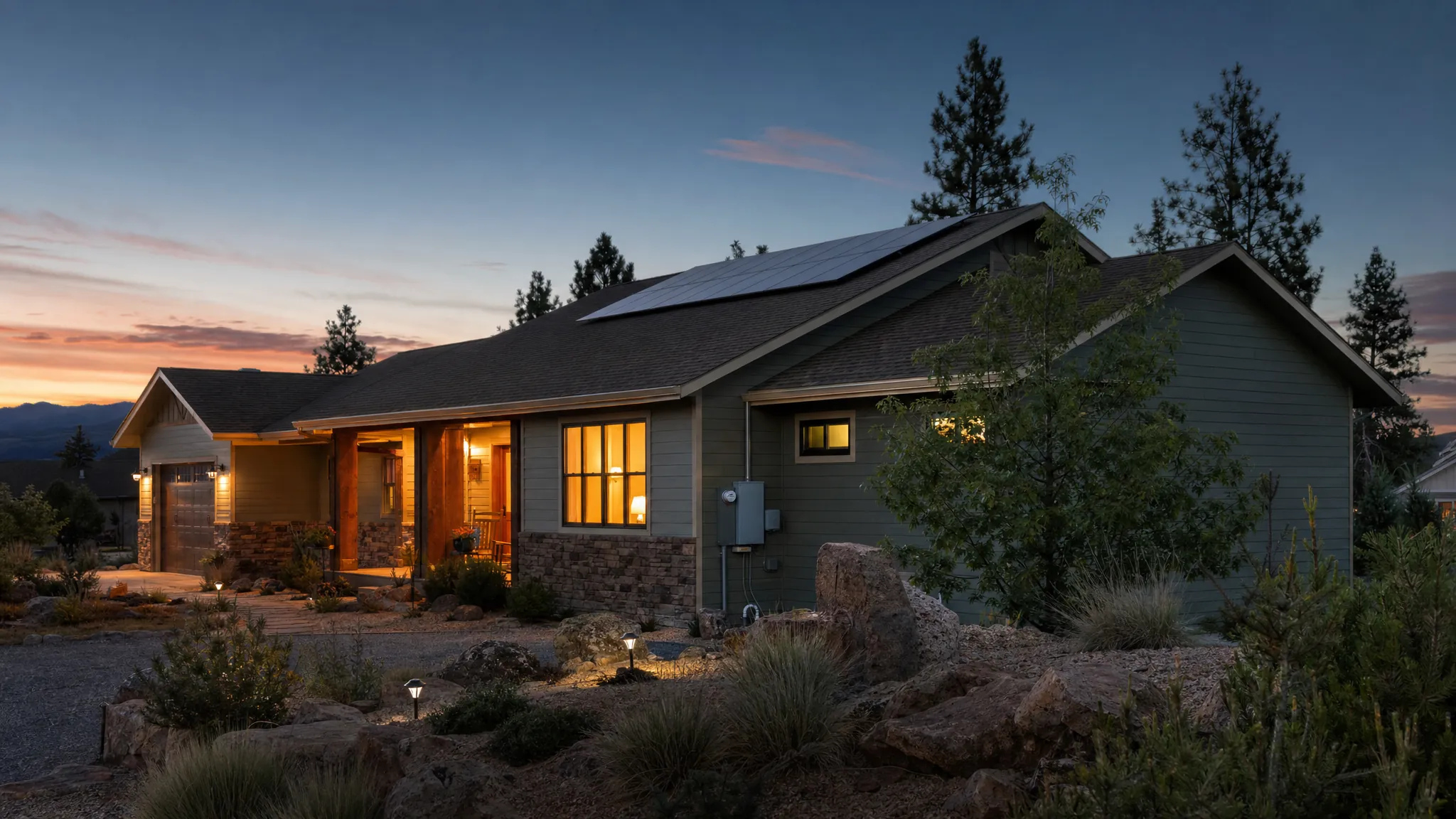
For a standard grid-connected solar system, do not assume the panels will power the house during an outage. These systems typically shut down when utility power is off to protect line workers. Solar paired with battery backup can supply selected circuits, but the result depends on the system design, battery capacity, and the loads you chose to support. Hyperion's solar and battery page explains how those pieces can be planned together.
8. Use the Outage to Improve the Next One
After the power is back, make a short note about what was difficult. Did the garage door create an access problem? Did your phone battery run low too quickly? Did you lose water pressure? Was food storage stressful? Did a particular outlet, breaker, or appliance behave strangely? Those details turn a frustrating night into useful information for your next decision.
For some homes, the right next step is a better supply kit or a manual garage-door plan. For others, it is a panel inspection, surge protection, a dedicated circuit, a permanent generator, or a battery-backed solar design. The best answer depends on what your household genuinely needs to keep running, not on trying to back up every possible load.
When to Call Hyperion
Call a qualified electrician when the outage affects only your home, a breaker will not stay reset, electrical equipment feels hot, you smell burning plastic, lights flicker repeatedly, or you want a safe plan for backup power. Hyperion Electric & Solar helps Northern Arizona homeowners diagnose electrical problems and plan generators, panel capacity, solar, batteries, and EV charging as connected decisions.
To arrange a service visit, contact Hyperion. The immediate need may be one circuit or one outage plan, but the right solution should make the home more dependable for the way you actually live in it.