EV charger installation · Prescott, AZ

EV Charger Installation in Prescott, AZ

Bring home charging into a clear electrical plan that works for your vehicle, your parking space and the way your household uses power.

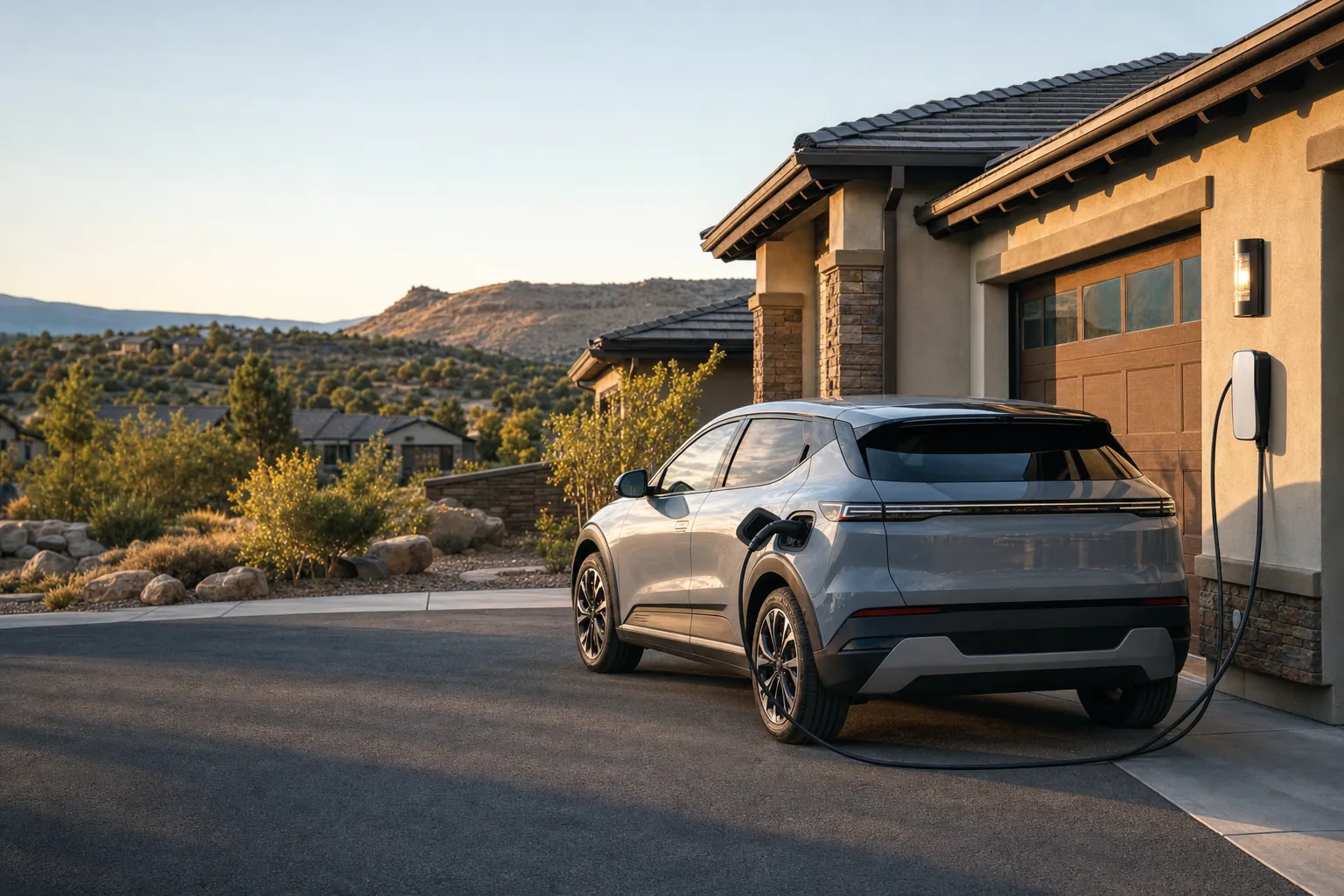
Electric vehicle charging beside a Prescott-area home

01

Start with how you want to charge

A home charger should make daily driving easier, not create another thing to manage. The useful starting point is simple: where does the vehicle park, when do you expect to charge and what kind of access will feel natural when you come home? A garage, carport or driveway can each call for a different approach. Hyperion helps turn that everyday routine into a practical installation plan, with the charger location, cable reach and electrical route considered before work begins.

  • Garage, carport and driveway planning
  • Charger placement that fits daily parking
  • A clear route for new electrical wiring

02

Make sure the home has room for it

An EV charger is a significant new electrical load. That does not automatically mean the home needs a new panel, but it does mean capacity deserves a real look. Hyperion can review the existing electrical service, breaker space and the equipment already using power in the home. That assessment helps answer the questions that matter before installation: whether the available capacity is suitable, whether a new circuit is enough or whether the home would benefit from a broader electrical upgrade.

  • Electrical capacity review
  • Dedicated circuit planning
  • Panel and service upgrade guidance
Explore electrical panel repair and upgrades

03

Choose an installation that fits the vehicle

Vehicles and charging equipment do not all draw power the same way. The right installation should account for the charger you plan to use, the vehicle's charging capability and how quickly you want to replenish the battery between drives. Hyperion can help make the electrical side of that decision easier to understand. Rather than asking you to sort through electrical details alone, the goal is to install the circuit and equipment that make sense for your home and driving routine.

  • Home charger electrical installation
  • Vehicle and charger compatibility discussion
  • Straightforward recommendations before work begins

04

Plan around the next home-power decision

An EV charger can be one part of a larger change in how a home uses electricity. A remodel, new air-conditioning equipment, workshop tools, solar, battery storage, generator equipment and whole-home surge protection can all affect the same electrical system. Looking at those plans together can prevent a new charger from being installed in a way that limits the next project. Hyperion can help prioritize what needs attention now while keeping room for the home improvements you expect later.

  • Solar and battery coordination
  • Generator and backup-power planning
  • Future-ready electrical capacity
Explore solar and battery planning

05

Get the project moving without the guesswork

You do not need to know your panel size, circuit load or charger specification before you call. Start with the vehicle, the parking location and the outcome you want from home charging. Hyperion can take it from there, explain what the home can support and make the recommendation clear before work begins. Whether the answer is a straightforward new circuit or a larger capacity plan, you should know what is being installed and why it is the sensible next step.

  • Local Prescott service
  • Clear communication from first call to finished work
  • Electrical planning that supports future upgrades

One connected home-power plan

Add the charger. Keep the home ready for what follows.

Hyperion can plan EV charging with the panel, service capacity and other improvements that may be coming next, so a useful new circuit supports the bigger picture.

Parking

A charger location that works with the way you pull in and plug in every day

Capacity

A close look at the panel, circuits and electrical load before work begins

Protection

Surge protection and electrical details considered alongside new equipment

Future

Solar, battery and backup-power plans that can work around the same system

A better place to charge

Make charging part of the routine, not another errand.

Home charging changes the rhythm of owning an electric vehicle. Instead of planning every stop around a public charger, you can return home, connect the vehicle and let it charge while the car is already parked. The installation itself should support that convenience. Cable reach, the location of the parking spot, weather exposure and how often the space is used all shape where the charger and new circuit belong. A location that looks convenient on a floor plan may be less useful when the vehicle is actually in the driveway, the garage is full or the cable has to cross the path people use every day.

Hyperion starts with the real layout of the home and the way you expect to use it. That makes the conversation more useful than choosing a charger first and hoping the electrical work will fit later. The aim is a setup that feels natural after the first week: straightforward to plug in, sensible for the property and clearly connected to the electrical system that will serve it. If the best parking arrangement changes later, thoughtful planning at the start can make the next decision easier as well.

Capacity before assumptions

Give the charger the electrical foundation it needs.

A new EV charger usually needs a dedicated circuit, and that circuit has to fit the home as it exists today. The panel may have open spaces without having the available electrical capacity the charger will require. On the other hand, a home may be well positioned for a focused installation even if the panel looks busy at first glance. The right answer comes from reviewing the service equipment, the household's existing electrical demand and the other upgrades already planned, not from guessing based on the age of the home alone.

That review is valuable because it separates the charger decision from a sales pitch about a larger project. When the present system can support the installation, Hyperion can focus on getting the new circuit and charging equipment in the right place. When the home needs more capacity, a panel or service upgrade can be discussed in the context of the improvements it will support. That may include the charger, but it can also include a kitchen remodel, air-conditioning equipment, a workshop, solar, battery backup or a generator. You get a clear reason for the recommendation and a plan that does not waste the work you are doing now.

Before the service visit

A few details can make the first conversation clearer.

You do not need to become an electrical expert before arranging EV charger installation. It is helpful to know the make and model of the vehicle you own or are considering, whether you already purchased a charger and where the vehicle will usually park. If the home has an attached garage, detached garage, carport or driveway parking, mention that too. Those details help focus the conversation on the practical questions: cable reach, a potential mounting location and the likely route for electrical wiring.

A photo of the outside of the electrical panel and the proposed charging area can be useful, but do not remove the panel cover or try to trace wiring on your own. If the home has recurring breaker trips, flickering lights, heat, buzzing or a previous electrical concern, mention it when you call. Those symptoms do not rule out a charger, but they are worth reviewing before a new load is added. Hyperion can evaluate the home, explain the options in plain language and help you choose the right next step whether you are ready to install now or planning ahead for the vehicle you want next.

Helpful answers

Frequently asked questions

Can you install a Level 2 EV charger at my home?+

Yes. Hyperion can install home EV charging equipment and review the electrical details that affect the project, including the charger location, available panel capacity and the route from the panel to the parking area.

Does my electrical panel need an upgrade for an EV charger?+

Not always. Some homes have enough available capacity for a charger, while others need a closer look at the existing electrical service, load and breaker space. Hyperion can assess the home and explain whether a focused installation is suitable or whether an upgrade should be planned first.

Where can an EV charger be installed?+

Many chargers are installed in a garage, carport or near the driveway. The best location depends on where the vehicle parks, how the charging cable will reach it, the condition of the area and the practical path for new electrical wiring.

How fast will a home EV charger charge my vehicle?+

Charging speed depends on the vehicle, the charger and the electrical circuit serving it. A home evaluation helps match the installation to the vehicle and the way you plan to charge, instead of assuming one setup fits every driver.

Can an EV charger be planned with solar, battery backup or a generator?+

Yes. EV charging adds a meaningful electrical load, so it makes sense to consider it alongside panel capacity, solar, battery storage, backup power and future home upgrades. Hyperion can help put those decisions into one practical plan.

What should I have ready before I call?+

It is helpful to know the vehicle you own or plan to buy, where it will park and whether you already have a charger in mind. A photo of the electrical panel exterior and the proposed charging area can also help start the conversation, but you do not need to diagnose the home yourself.