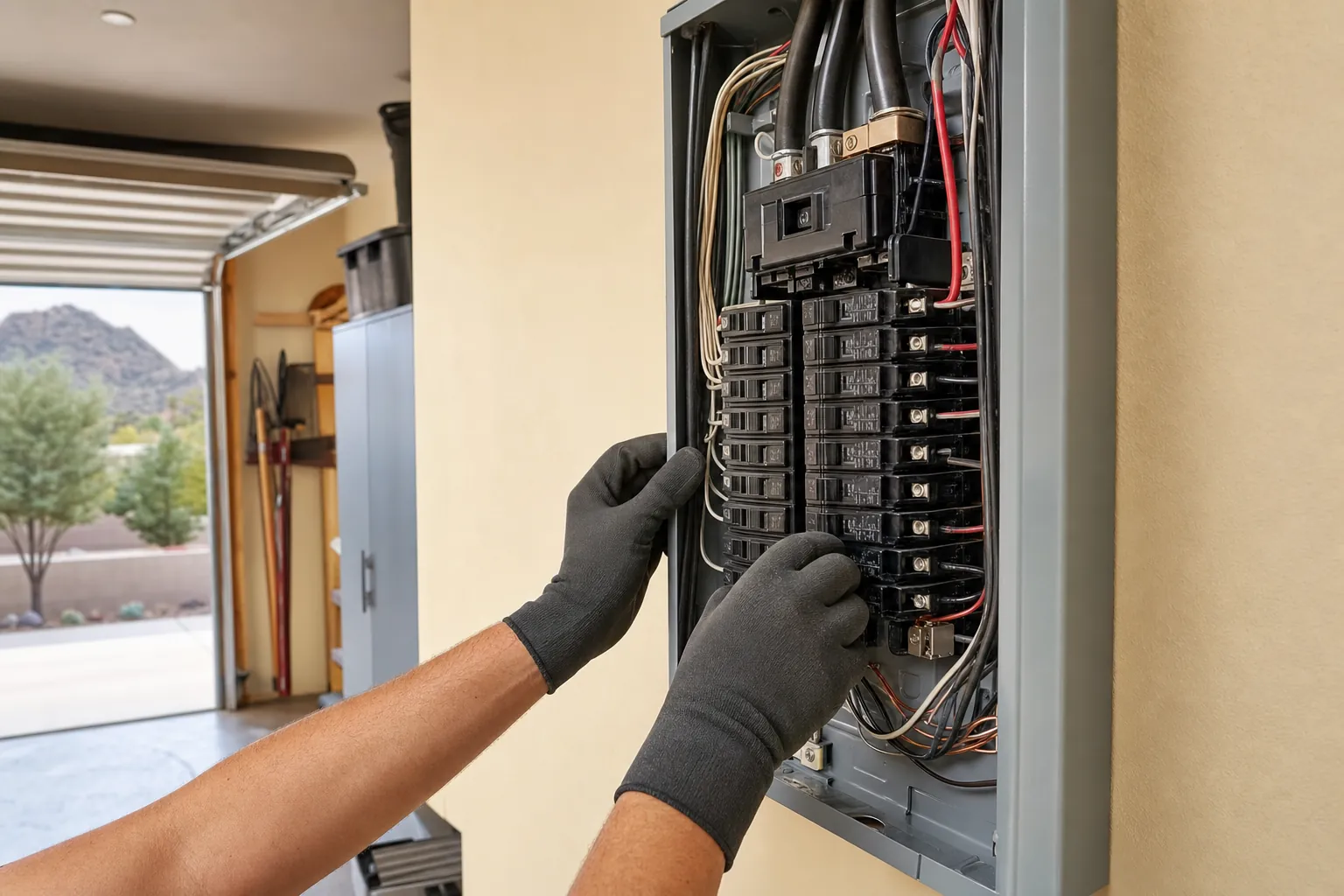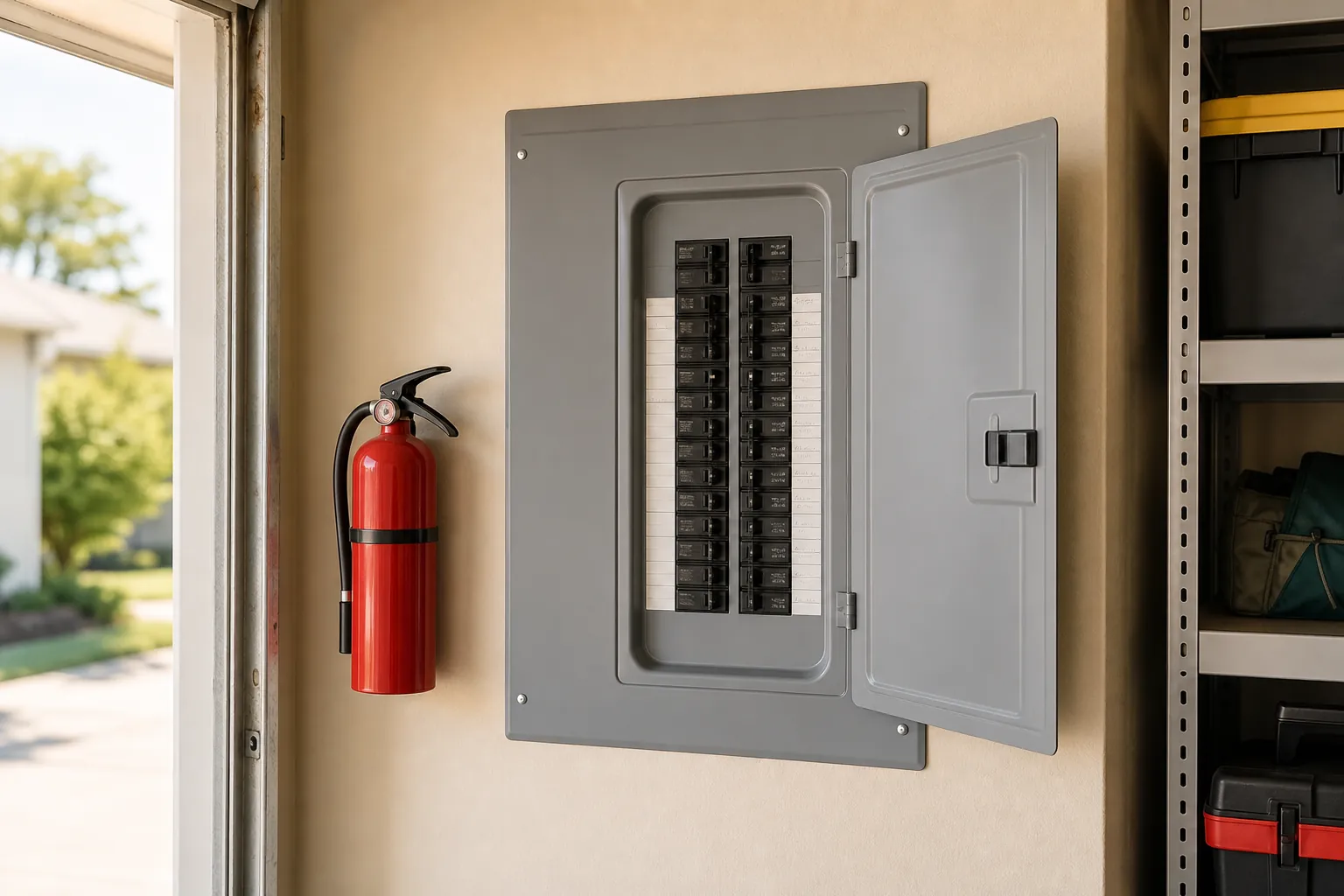
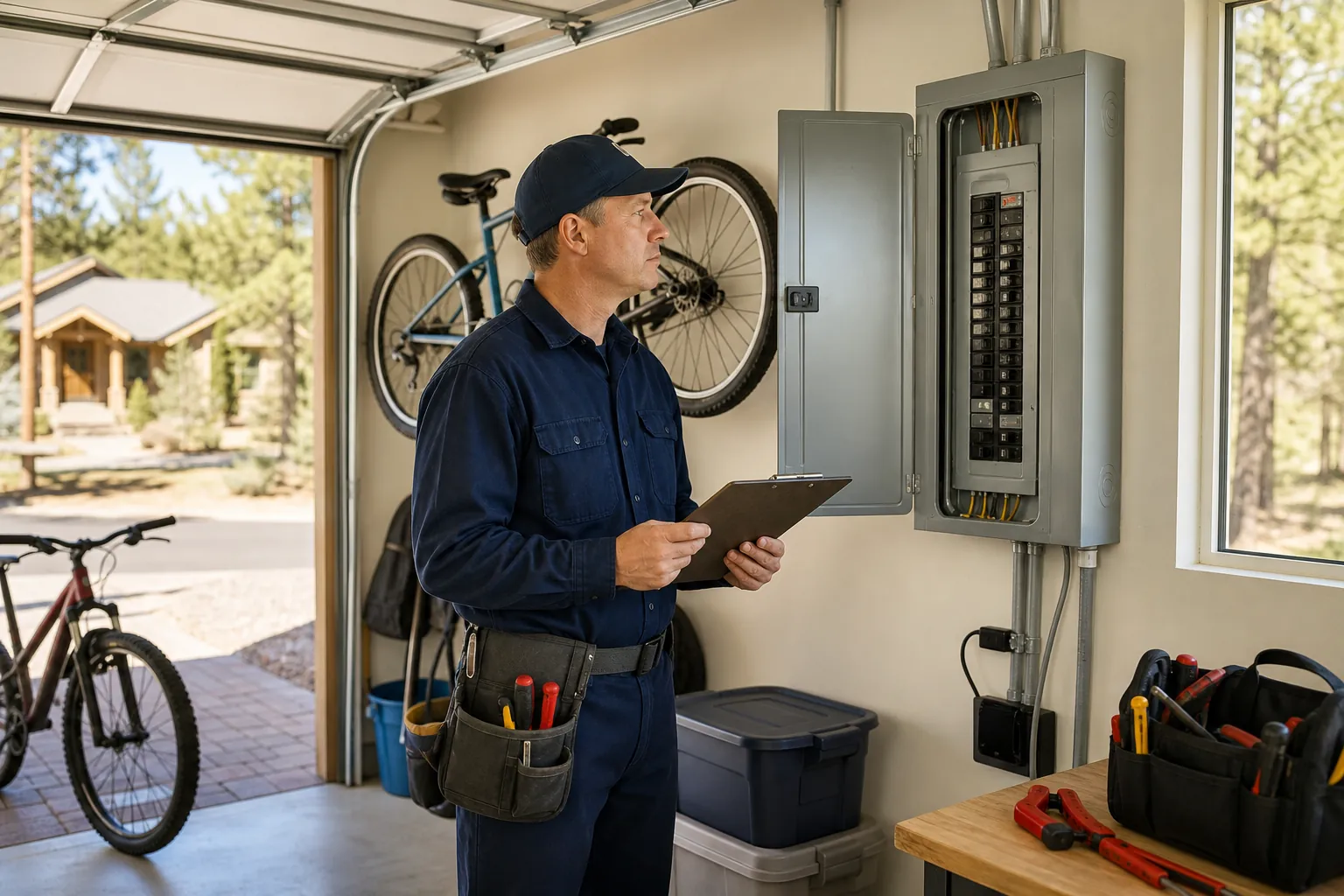
A circuit breaker is meant to turn power off when it senses a condition that could overheat wiring or create a shock risk. That makes a tripped breaker inconvenient, but it is also useful information. The problem may be as simple as asking one kitchen circuit to run too many heat-producing appliances at once. It can also point to a damaged cord, a failing appliance, moisture, a wiring fault, or an issue that needs attention inside the electrical system.
The safe response is not to keep resetting the breaker until it stays on. Start by taking the warning seriously, reduce the load, and pay attention to the details around the trip. A pattern gives an electrician far more to work with than a breaker that has been reset over and over without a clear answer.
1. Start With What the Breaker Is Telling You
Breakers are protective switches inside the electrical panel. They shut off a circuit when the circuit is drawing more current than it should or when electricity is taking an unsafe path. The Electrical Safety Foundation International's home safety guidance treats repeated breaker trips, damaged cords, loose plugs, and overheated outlets as warnings worth investigating rather than inconveniences to work around.
A breaker that trips once after a toaster oven, microwave, coffee maker, and space heater were all running may be responding to an overload. A breaker that trips with ordinary use, trips immediately after reset, or trips when nothing obvious is running deserves a closer look. The key distinction is whether the circuit was simply asked to do too much at once or whether something in the circuit is not working as it should.
Before you touch the panel, look and listen from a safe distance. Stop using the circuit and call for help right away if you notice smoke, a burning smell, heat at the panel or outlet, buzzing, crackling, water near electrical equipment, melted plastic, or sparks. Those are not troubleshooting clues to chase. They are reasons to leave the equipment alone.
2. Rule Out an Everyday Overload
Overloads happen most often where a single circuit serves several devices that create heat or draw substantial power. Kitchens, bathrooms, garages, laundry areas, workshops, and older rooms with few outlets are common examples. A portable heater, hair dryer, air fryer, microwave, vacuum, toaster, or power tool can use more power than people expect, especially when another appliance is already running on the same circuit.
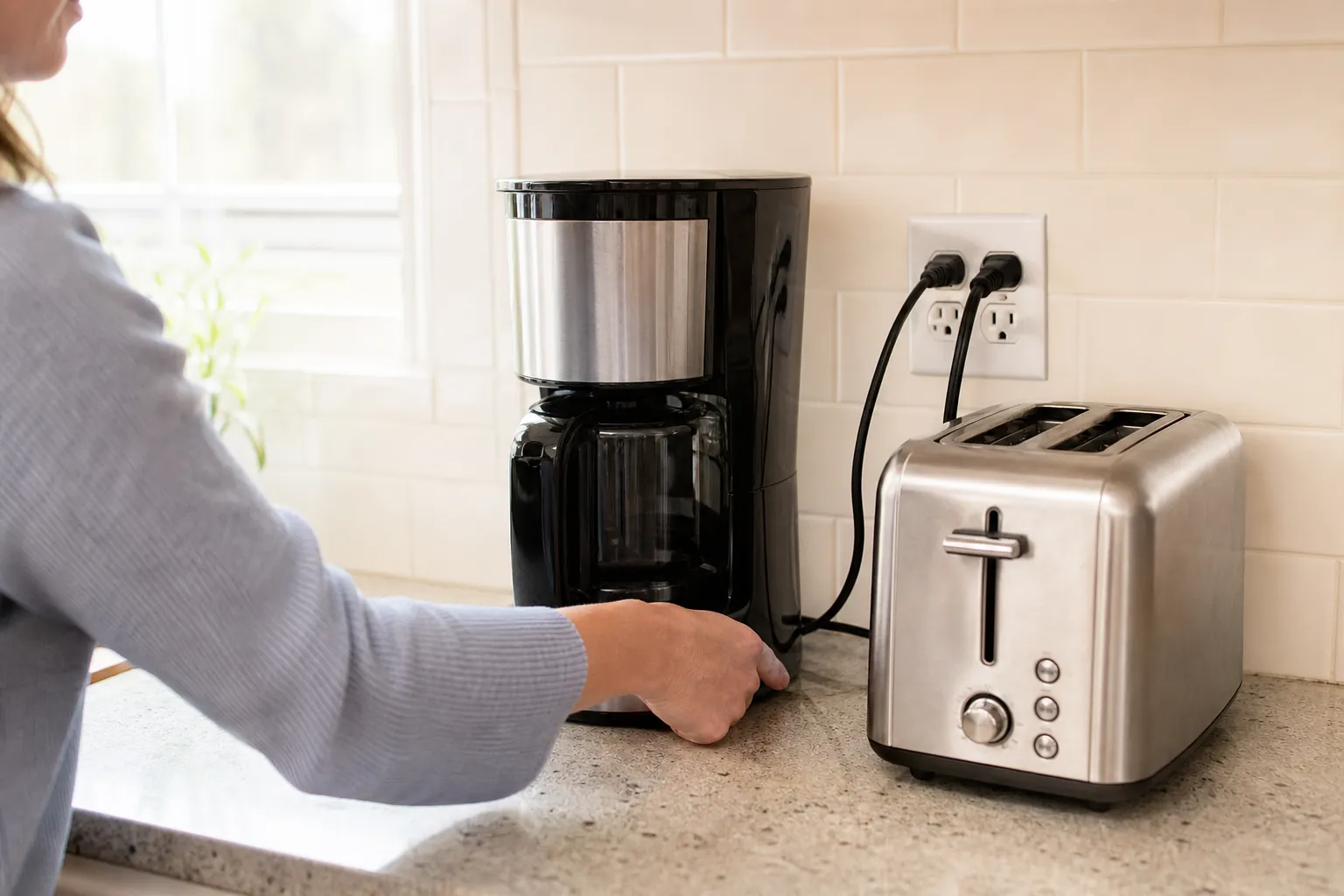
To make a safe first check, turn off or unplug the devices that were running on the affected circuit. This includes chargers and equipment in nearby rooms if they share that circuit. Then reset the breaker once by moving it fully to the off position before turning it back on. If it stays on, bring the devices back one at a time. If one combination repeatedly trips the breaker, avoid running those items together until you understand the circuit's capacity.
- Plug major appliances directly into a wall outlet, not a power strip or extension cord.
- Do not use a larger breaker or a different outlet as a workaround for a recurring trip.
- Do not daisy-chain power strips or extension cords to reach more devices.
- Make a note of what was running and which room lost power.
- Leave the breaker off if it trips again after the load has been reduced.
If the circuit is routinely overloaded by normal household use, the answer may be a new dedicated circuit, better distribution of loads, or a review of the home's capacity. Hyperion's residential electrical services can help determine whether the issue is isolated to one circuit or part of a broader electrical plan.
3. Know the Signs of a Short Circuit or Ground Fault
An overload is not the only reason a breaker trips. A short circuit can occur when energized wiring contacts another conductor or a grounded surface. A ground fault occurs when electricity takes an unintended path to ground, often in areas where moisture is present. Both conditions need protection, and both can trip a breaker or GFCI device quickly.
You do not need to identify the exact fault yourself. In fact, opening outlets, removing panel covers, or testing exposed wiring is unsafe. What you can do is notice whether the breaker trips as soon as a specific appliance is plugged in, when a bathroom or outdoor outlet is used, after rain or irrigation, or when one switch or fixture is turned on. That information helps narrow the diagnosis without putting you in contact with live equipment.
GFCI protection is especially important in bathrooms, kitchens, garages, laundry areas, and outdoor locations because it can interrupt power when it detects a ground-fault risk. If a dry, undamaged GFCI outlet will not reset, do not force it. The Electrical Safety Foundation International's GFCI guidance explains why these devices matter near water and why a reset problem should not be ignored.
Moisture around an exterior outlet, an appliance cord, a garage receptacle, or a bathroom device is a reason to stop using the circuit until it is dry and safe to inspect. Never handle a wet cord, outlet, or panel. The safety principle is simple: electricity and water do not give you much room for guesswork.
4. Make One Safe Reset, Then Stop if It Trips Again
If there are no danger signs, one reset after unplugging the connected load is reasonable. A breaker that trips immediately again is telling you the circuit still has a problem. Repeated resets can mask the pattern, damage connected equipment, and tempt someone to keep using a circuit that needs attention.
Do not hold a breaker in place, replace it with a larger breaker, or remove the panel cover to investigate. OSHA's electrical safety guidance reinforces the need to keep damaged electrical equipment out of service and leave energized electrical work to trained people with the right protection and equipment. The same caution matters at home.
Leave the breaker off and arrange an electrician visit when any of these conditions apply:
- The breaker trips immediately after a reset, even with devices unplugged.
- The same breaker trips repeatedly during normal use.
- An outlet, plug, switch, cord, or panel feels warm or shows discoloration.
- You smell burning plastic, hear buzzing or crackling, or see sparks.
- The trip began after water exposure, a storm, a remodel, or a new appliance installation.
- Lights flicker, dim, or lose power in more than one room.
For a circuit with heat, smoke, or visible damage, follow the safety steps in Hyperion's electrical fire safety guide. Do not treat a tripped breaker as a fire emergency by itself, but do treat heat and smoke as reasons to get people clear of the area and call for emergency help when safety is in doubt.
5. Pay Attention When Nothing Is Plugged In
A breaker can trip when nothing is plugged into the outlets you can see. Lighting, ceiling fans, garage-door equipment, hardwired appliances, outdoor circuits, a refrigerator in another room, or a device left on a shared circuit may still be connected. Damaged wiring, moisture, or a problem inside a fixture can also be involved.
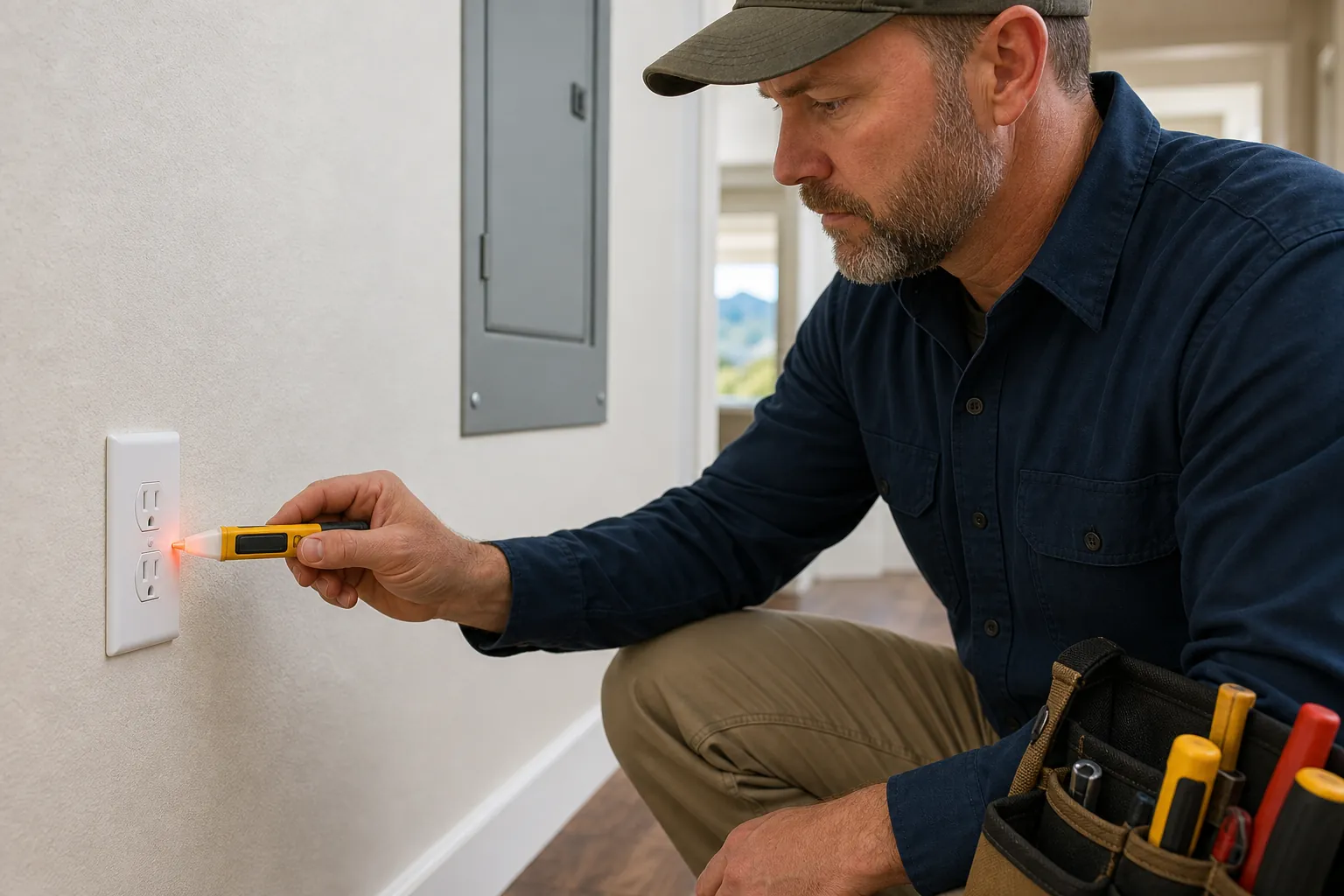
Start by writing down the breaker label and the rooms or equipment that lose power when it trips. If the label is unclear, do not guess by turning breakers on and off around a household that is using appliances. An electrician can map the circuit safely, inspect the connected devices, and determine whether the breaker, wiring, receptacle, or appliance is causing the interruption.
This is also why loose outlets, damaged cords, and recurring nuisance trips are worth an electrical home safety inspection. A professional can work from the real condition of the circuit instead of replacing parts based on a hunch.
6. Notice Whether One Appliance Starts the Pattern
A breaker that trips only when one appliance runs is useful evidence, but it does not automatically prove that the appliance is the only problem. A microwave, dryer, refrigerator, disposal, garage-door opener, water heater, pump, or portable heater may be drawing too much current, may have a damaged cord or internal fault, or may simply share a circuit that is already carrying too much. The circuit itself may also have a loose connection or another issue that becomes apparent only when that load starts.
Stop using the appliance if its plug, cord, outlet, or surrounding area feels warm or looks damaged. Do not move a heavy appliance, pull out built-in equipment, or take anything apart to chase the cause. Instead, note the appliance, the exact timing of the trip, and whether other equipment was operating. That gives the electrician a clear starting point while keeping the diagnosis where it belongs.
7. Think About What Changed in the Home
Breaker problems sometimes surface after a home changes, not because the breaker suddenly became inconvenient. A new freezer in the garage, a workshop tool, a remodeled kitchen, an added room, a portable air conditioner, a hot tub, or a new vehicle charger can change how much a circuit or panel needs to carry. Older homes may also have fewer circuits and outlets than a household now needs.
That does not mean every trip calls for a panel replacement. It means the fix should match the cause. A dedicated circuit may solve a single appliance problem. An outlet or connection repair may solve a localized fault. A panel review may make sense where the system is crowded, poorly labeled, damaged, or expected to support a major new load.
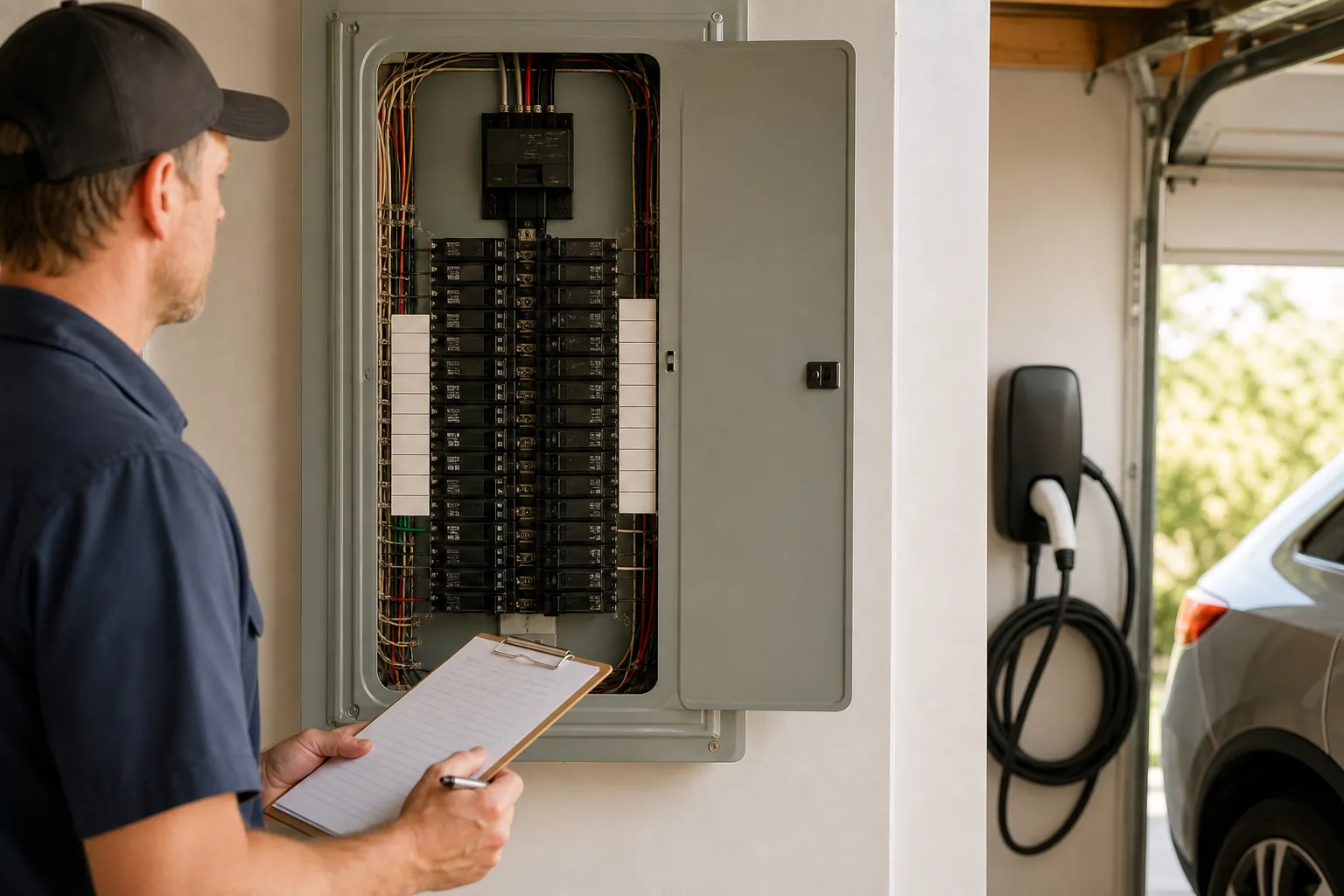
Planning early is particularly useful before an EV charger installation, generator, solar-and-battery system, remodel, or workshop addition. Those projects work best when the electrical capacity is considered before equipment is purchased or walls are closed. Hyperion can also help homeowners assess panel concerns through its electrical panel repair service.
8. Give the Electrician a Better Starting Point
You do not need a diagnosis before you call. A few observations can save time and help the electrician focus the visit. Write down the breaker label, the rooms or devices that lost power, what was running when it tripped, and whether it reset or tripped again immediately. Include anything you noticed such as a recent storm, a new appliance, a remodel, a warm outlet, flickering lights, or a smell.
Do not take risks to collect that information. A photo from a safe distance can be useful for a damaged plug or a panel label, but never approach smoking, sparking, or hot equipment. A clear description is enough to begin the right conversation.
When to Call Hyperion
Call a qualified electrician when a breaker trips repeatedly, trips with ordinary use, will not stay reset, or comes with heat, odor, visible damage, moisture, buzzing, or flickering. Hyperion Electric & Solar helps Northern Arizona homeowners diagnose electrical issues, repair circuits, and plan capacity for the way the home is actually used.
The immediate problem may be one circuit, but the right repair can also account for a future generator, solar and battery plan, EV charging, or remodel. To arrange a service visit, contact Hyperion. For outage preparation after the electrical issue is resolved, the power outage preparedness guide can help you decide what your household needs to keep running.