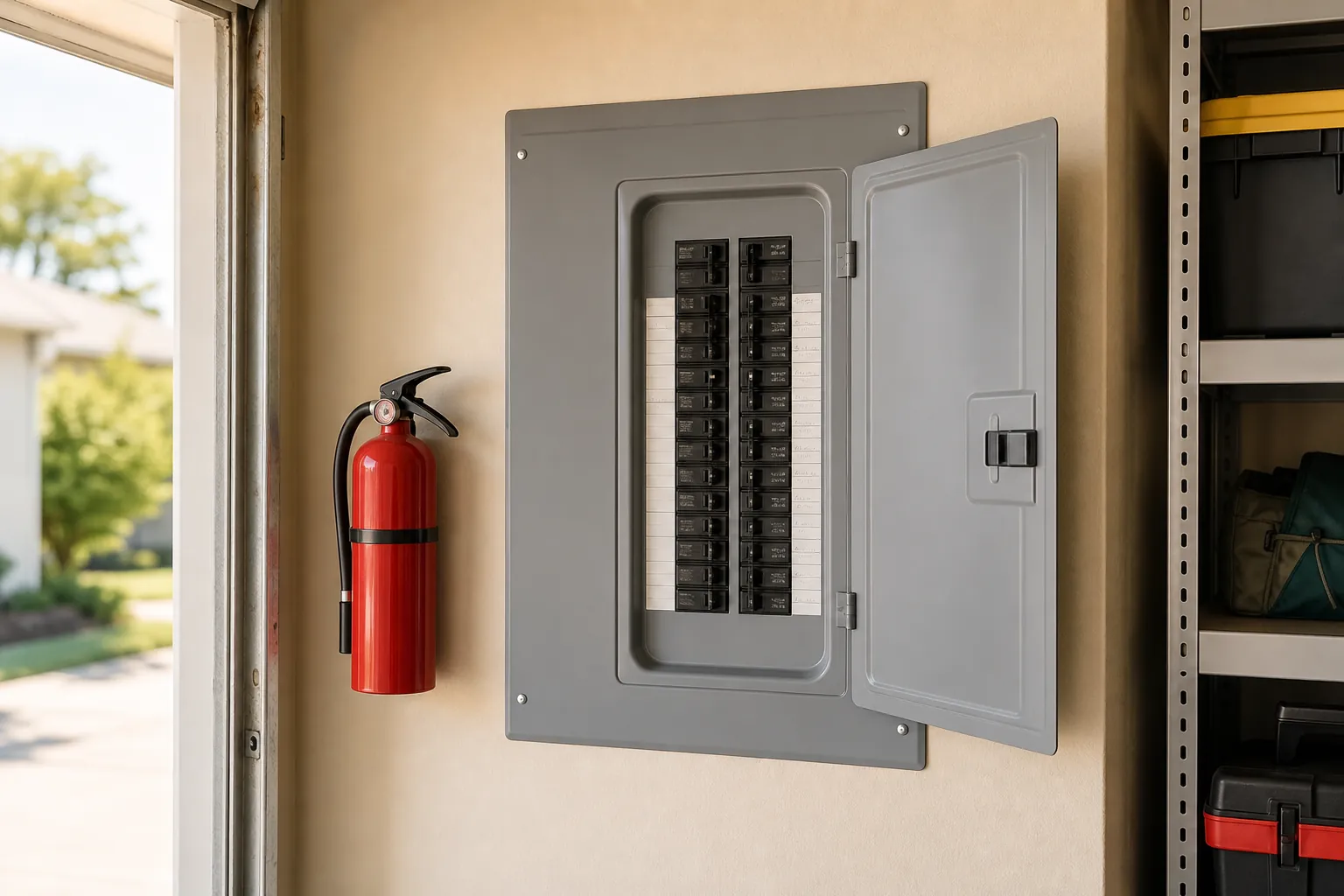
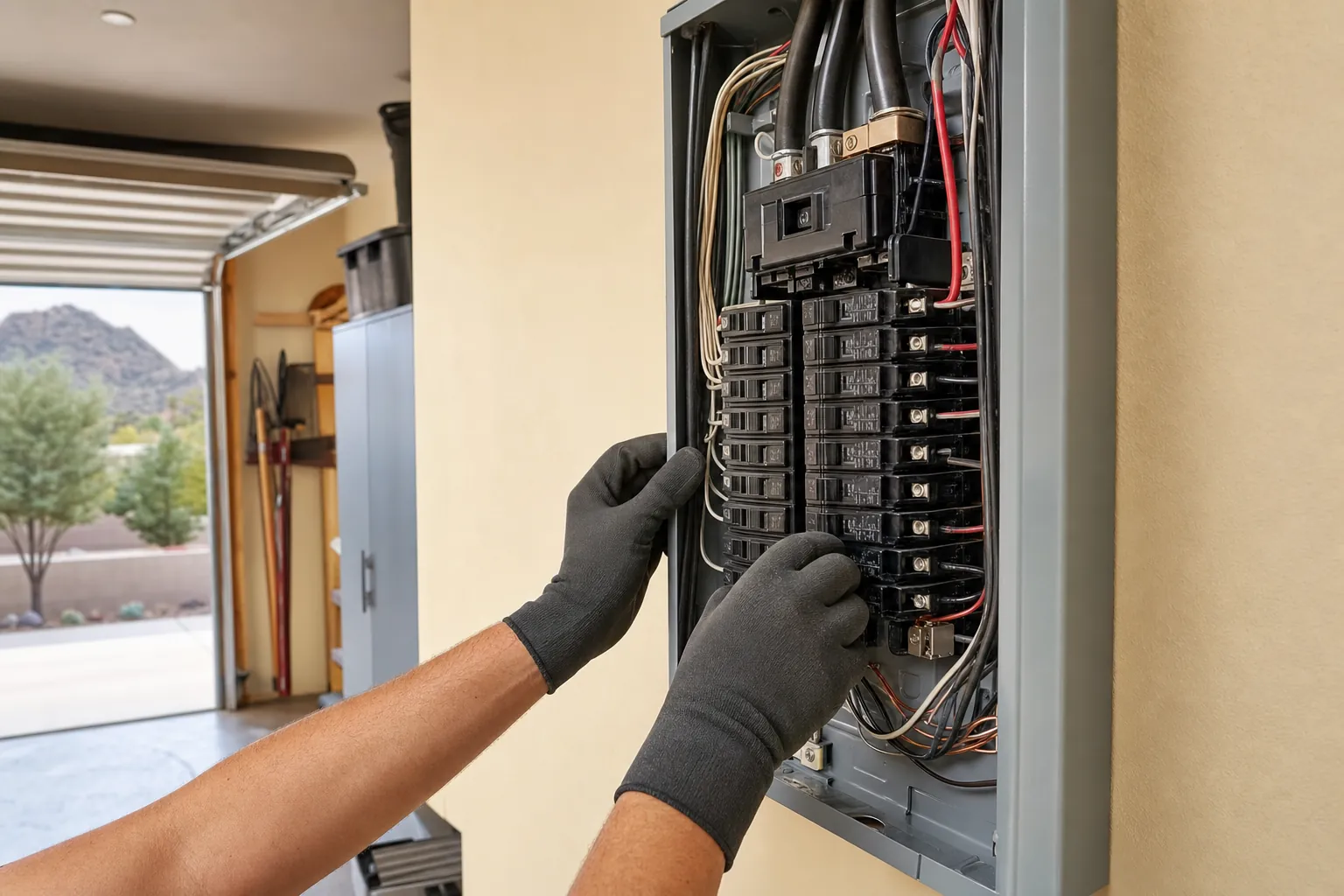
Most electrical problems do not announce themselves with a dramatic failure. They show up as a breaker that trips more often than it used to, a switch that feels warm, a plug that no longer fits securely, or a room that has slowly accumulated more chargers, appliances and equipment than the original wiring was meant to handle. An electrical home safety inspection puts those smaller signals in context before they become an emergency or an expensive surprise.
It is also useful when nothing feels obviously wrong. A remodel, an older home purchase, a new hot tub, an EV charger, a generator or a solar and battery plan can all change what the electrical system needs to support. A careful review helps you understand the home you have before you add the next major load.
What Is an Electrical Home Safety Inspection?
An electrical home safety inspection is a focused look at the visible parts of a home's electrical system and the concerns that affect its safe use. The purpose is not to create a long list of upgrades for the sake of it. It is to identify real warning signs, explain what they may mean and decide whether a repair, protection upgrade or capacity plan is needed.
A qualified electrician may review the main panel and breakers, accessible wiring, outlets, switches, grounding and bonding, and protective devices such as GFCI and AFCI breakers or receptacles where appropriate. The inspection can also account for how the household actually uses power. A home office, garage workshop, extra freezer, portable heater, large entertainment setup or new EV charger can change the load on circuits that were once lightly used.
The Electrical Safety Foundation International recommends regular attention to electrical warning signs and protective devices in the home. Its home electrical safety guidance is a useful reminder that loose plugs, damaged cords and overloaded connections deserve more than a quick workaround.
When an Inspection Is Worth Scheduling
Some homeowners wait until a breaker fails or an outlet smokes. That is understandable, but it is not the only sensible time to get help. An inspection is especially useful when a specific change, concern or unknown has entered the picture.
- You are buying, selling or moving into an older home and want a clearer picture of the electrical system.
- You have recurring breaker trips, flickering lights, a buzzing switch or outlets that feel warm.
- You are planning a remodel, addition, new construction work or a larger appliance.
- You want to add an EV charger, generator, hot tub, solar system or battery backup.
- Your panel is crowded, poorly labeled or has not been reviewed since the home changed hands.
- You have noticed damaged cords, loose outlets, discoloration, a burning smell or a shock from equipment.
A single tripped breaker after running too many appliances may have a simple explanation. A breaker that keeps tripping under normal use is different. It is a signal to stop resetting it repeatedly and have the circuit checked. The same principle applies to lights that dim when an appliance starts, switches that hum, and outlets that no longer hold a plug firmly.
For an older electrical panel, limited service capacity or a repair that needs closer attention, Hyperion's electrical panel repair service can help clarify whether the issue is isolated or part of a larger plan for the home.
A Safe Homeowner Walk-Through
You do not need to open a panel or remove an outlet cover to notice useful information. A short visual walk-through can help you decide what to mention when you call. The key is to look, listen and smell without touching damaged equipment or attempting a repair.
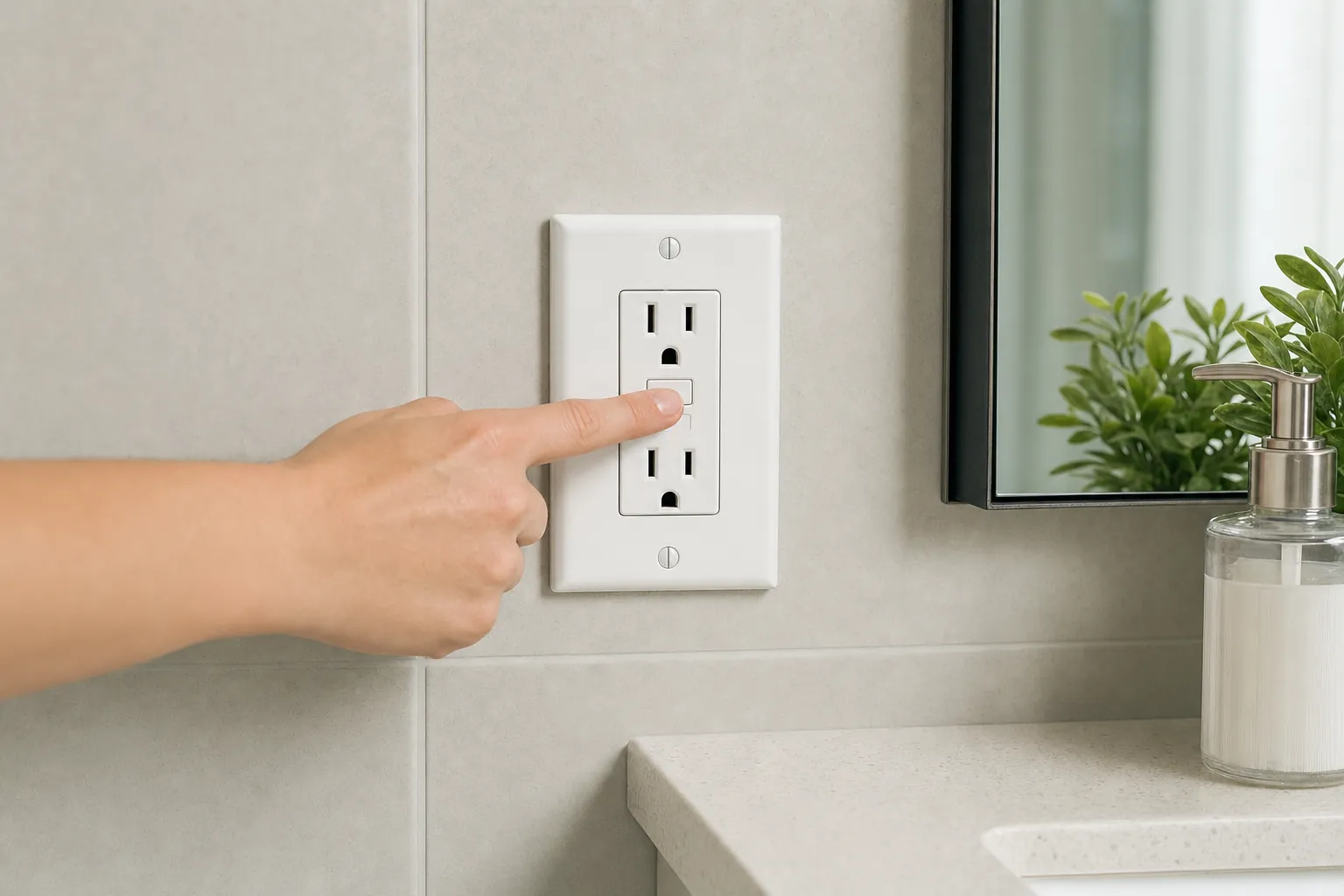
Start in rooms where water and electricity are close together, such as bathrooms, kitchens, laundry areas, garages and outdoor spaces. Ground-fault circuit interrupters, commonly called GFCIs, are designed to reduce shock risk by quickly interrupting power when they detect a problem. The Electrical Safety Foundation International's GFCI guidance explains why these devices matter in damp areas.
Most GFCI receptacles have test and reset buttons. If the receptacle is dry, undamaged and accessible, follow the manufacturer's markings to test it. Do not use a damaged outlet, and do not assume a button that will not reset is a small inconvenience. It may mean the device, circuit or upstream protection needs attention.
- Look for cracked covers, missing cover plates, loose outlets or switches, discoloration and visible heat damage.
- Notice whether plugs fall out, cords are pinched by furniture, or extension cords have become permanent wiring.
- Listen for buzzing or crackling near a switch, outlet, light fixture or electrical panel.
- Pay attention to a burning-plastic smell, especially when it returns after an appliance or circuit is used.
- Keep the electrical panel area clear and make a note if circuits are unlabeled or confusing.
Do not pull a plug from an outlet that feels hot, is sparking or shows signs of damage. Do not open a panel, remove a cover plate, or push a breaker back on repeatedly to see whether it holds. Those are the moments to leave the equipment alone and arrange a professional inspection.
What an Electrician Checks
A professional inspection starts with the concern that brought you in, then looks for the conditions that could be contributing to it. If a kitchen circuit trips whenever the toaster and microwave run together, the answer may involve the load on that circuit, the appliances, the wiring, the breaker, or the way the room was changed over time. A proper review follows the evidence rather than guessing at the first visible part.
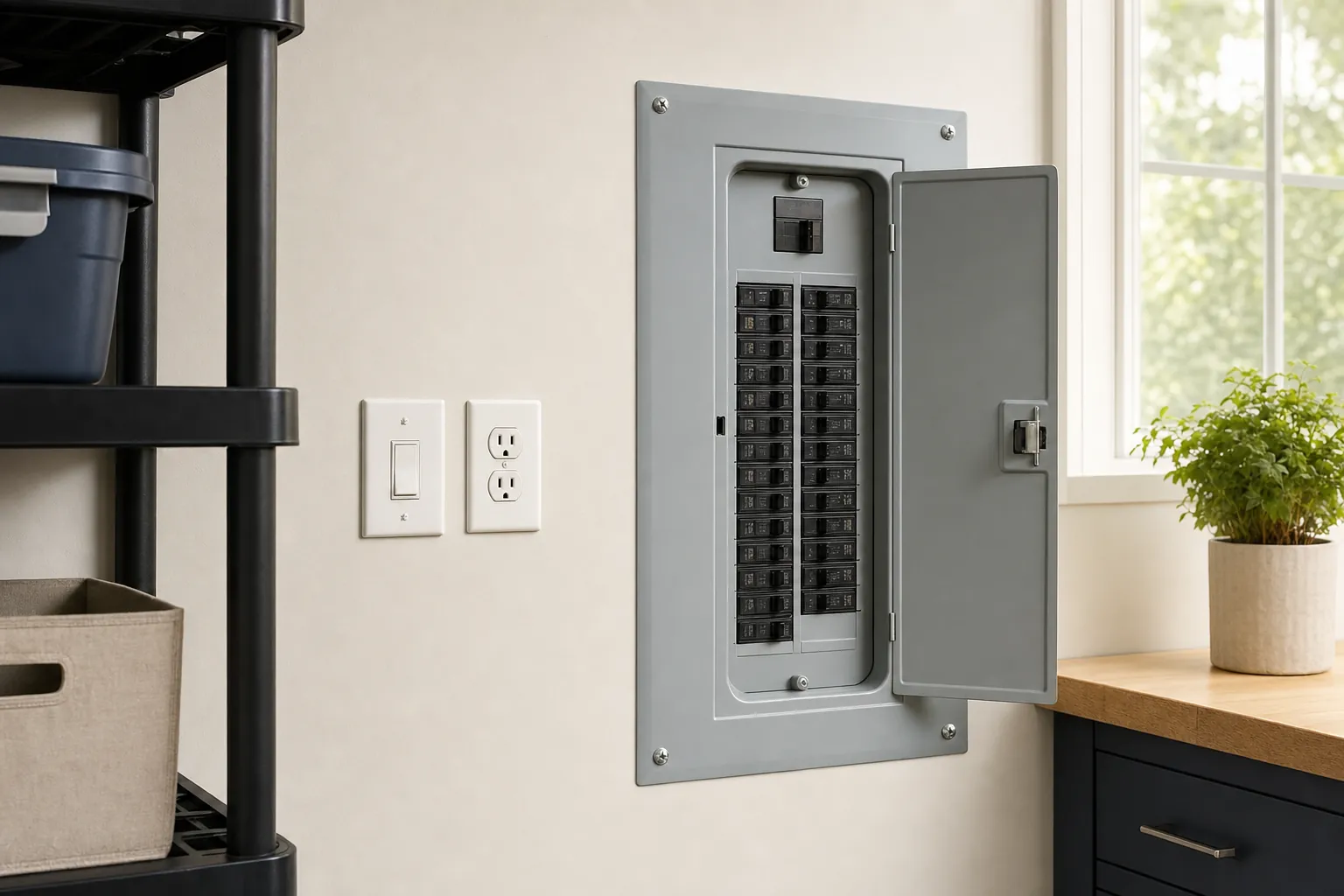
The main panel is one important part of that review. An electrician can look for signs of heat, corrosion, physical damage, loose or questionable connections, missing labels, inappropriate breaker use and whether there is adequate room for the circuits the home needs. They can also discuss how the service capacity fits planned projects, from a kitchen remodel to an electrical upgrade or a new vehicle charger.
Outlets and switches matter just as much. A receptacle that has become loose can create a poor connection and heat at the point where a plug is inserted. A switch that feels warm, a fixture that flickers, or a device that makes a persistent sound gives an electrician a place to start. OSHA's electrical safety guidance also reinforces the need to take damaged cords, overloaded outlets and other unsafe conditions seriously.
Depending on the home and the issue, the inspection may also include grounding, bonding and surge protection. Those are not decorative upgrades. They are part of how the electrical system handles faults, changing loads and the power events that can affect sensitive equipment. A home with frequent storm exposure, a lot of electronics or a planned backup-power system may benefit from a conversation about whole-home protection and backup planning.
Older Homes and Changing Electrical Needs
Age alone does not make a home unsafe. Many older homes are well maintained and have been updated thoughtfully. The question is whether the system has kept up with the way the home is used now. A house that once supported a few lamps and a television may now have networking equipment, home-office gear, larger kitchen appliances, a workshop, extra refrigeration and charging equipment spread across the property.
Older wiring methods, limited outlets, ungrounded receptacles, small panels and outdated devices deserve a closer look when they are present. That does not mean every older component needs immediate replacement. It means the homeowner should have clear information about what is there, what condition it is in and how it affects the next decision.
This matters even more before a remodel. Adding outlets after walls are closed is harder than planning them early. Hyperion's new construction and remodel wiring service is built around capacity, access and the practical way a household will use the space, not just the minimum number of devices that can fit on a plan.
Do Not Ignore These Warning Signs
Electrical systems usually give people a chance to respond before a serious problem develops. The safest move is to take recurring signs seriously without trying to diagnose them from a video or a breaker panel. Stop using the affected equipment when you can do so safely and call for help when the sign involves heat, odor, visible damage or repeated failure.
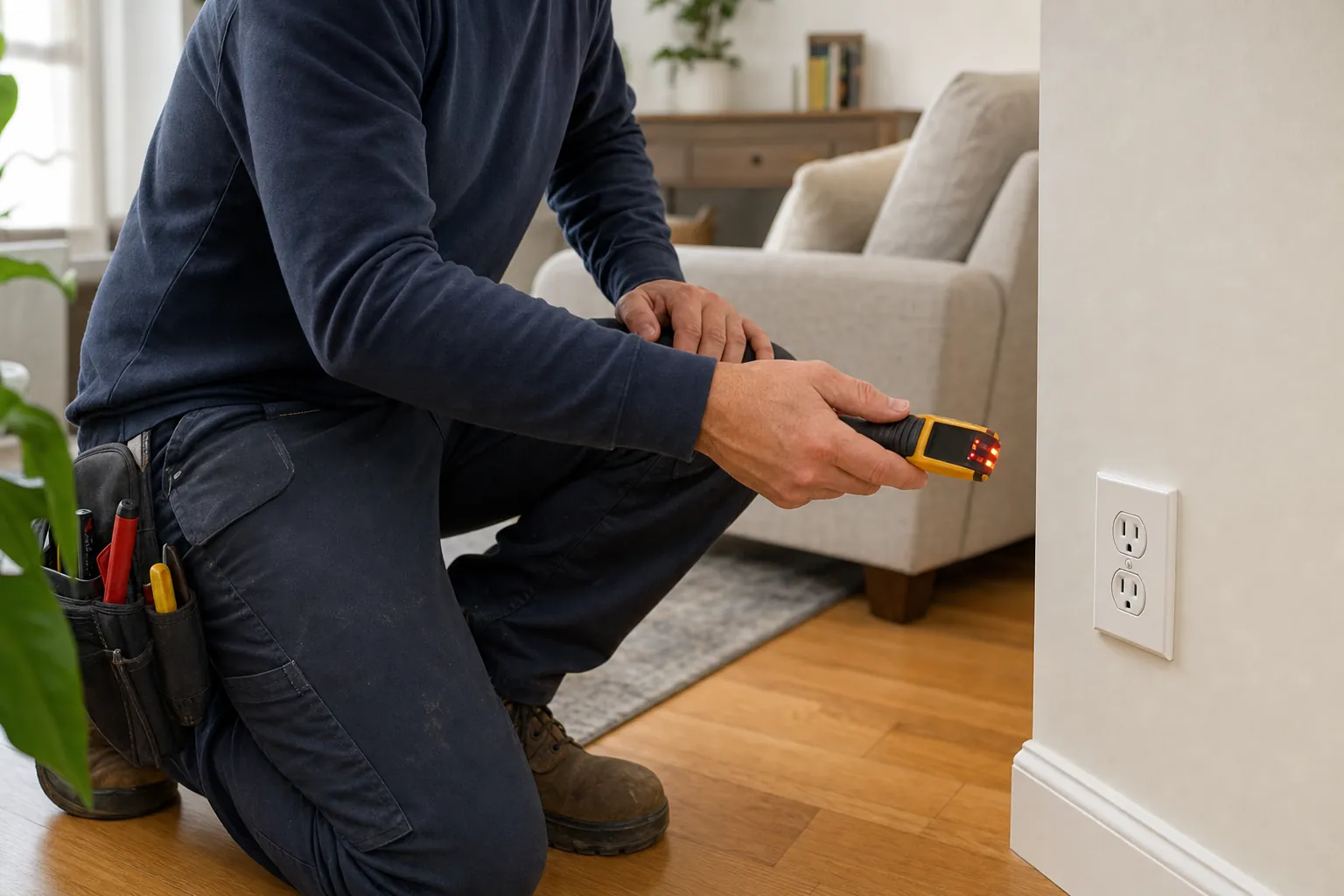
- A breaker trips repeatedly, especially with ordinary use.
- An outlet, plug, switch, extension cord or power strip feels hot.
- You see scorch marks, discoloration, melted plastic, sparks or cracked equipment.
- A switch, outlet, panel or appliance produces a burning smell, buzz or crackle.
- Lights flicker or dim in more than one room without an obvious cause.
- You have been relying on extension cords or power strips for major appliances or regular daily use.
For a possible electrical fire, smoke event or an outlet that has already scorched, put people first and get out if there is any danger. Hyperion's electrical fire safety guide explains why water and improvised fixes are not safe when electricity may still be involved.
What to Write Down Before You Call
A few specific details can make an inspection more productive from the start. You do not need to solve the problem or take anything apart. Just note what you observed, when it happens and what was running at the time. That gives the electrician a useful starting point and helps separate a one-time overload from a pattern that needs a closer look.
- The room, outlet, switch, fixture or appliance involved.
- Whether the problem is heat, odor, flickering, a loose plug, a breaker trip or visible damage.
- What was plugged in or running when you noticed it.
- Whether it happens every time, only at certain times or after a weather event.
- Any recent home change, such as a new appliance, remodel, equipment installation or repeated outage.
Photos can be useful when they show a scorch mark, damaged cord or panel label, but never take a picture by getting close to smoke, sparking equipment or a hot panel. Put safety first. A clear description from a safe distance is far more valuable than a risky attempt to document the problem.
Use the Inspection to Plan Ahead
The most useful inspection gives you a practical next step. Sometimes that step is a simple repair. Sometimes it is replacing a damaged outlet, correcting a circuit issue, labeling a panel or adding better protection in a wet area. In other cases, the conversation is about the home's capacity and what should happen before a new load is added.
That is where looking at the house as one connected system matters. A panel review can inform an EV charger. A planned generator can affect which circuits need to be selected. Solar and battery backup may need a different approach than a standard grid-tied solar system. Hyperion can help homeowners weigh those decisions through its solar and battery planning service and generator installation service, while keeping the immediate electrical concern clear.
If outages are part of what prompted the inspection, use the power outage preparedness guide to decide which household needs truly require backup power. That list gives an electrician better information than a vague request for whole-home backup, and it can prevent paying for capacity the household will not use.
When to Call Hyperion
Call a qualified electrician when you find heat, burning smells, repeated breaker trips, damaged outlets, flickering lights, a crowded panel, uncertain grounding, or an electrical system that needs to support a new project. Those are all reasons to get a clear answer before a minor concern turns into a disruption.
Hyperion Electric & Solar helps Northern Arizona homeowners assess electrical safety concerns, make repairs and plan upgrades that fit the home. The team can look at the panel, circuits, surge protection, generator, solar or battery needs together when they are part of the same decision. To arrange an inspection or talk through a concern, contact Hyperion.