
Most homeowners meet surge protection through a power strip beside a television or desk. Whole-home surge protection starts somewhere else, at or near the electrical panel. The idea is simple: when a brief voltage spike enters or moves through the electrical system, the device gives that excess energy a safer path than the circuits and equipment you use every day.
That does not make the device a promise that nothing can ever be damaged. It is one part of a layered approach that also depends on a properly grounded electrical system, correctly installed equipment, and point-of-use protection for particularly sensitive electronics. Understanding the role of each layer makes it easier to decide whether a panel-level device belongs in your home.
1. Start with what a power surge actually is
A power surge is a very brief rise in voltage. It may be tied to a lightning event, a utility switching event, or equipment turning on and off inside a building. The event can be so quick that the lights never blink, yet it can still place stress on electronic controls, appliances, chargers, networking equipment, and other connected systems.
Not every electrical problem is a surge. A tripped breaker, a loose outlet, a flickering light, or a longer outage calls for its own diagnosis. A breaker is designed to interrupt an overload or fault. Surge protection is designed for short voltage transients, which is a different job. The UL guide to power strips and surge protectors is a useful reminder that a strip and a listed surge-protection device are not automatically the same thing.
A whole-home device is not there to make a marginal panel safe or to solve recurring electrical symptoms. If you notice heat, burning odor, buzzing, sparks, water exposure, repeated breaker trips, or physical damage, stop using the affected equipment and arrange a qualified electrical inspection. Hyperion’s electrical home safety inspection guide explains the warning signs that should not be worked around.
2. What the device does at the panel
A whole-home surge protective device is installed at or near the service equipment, typically close to where electricity is distributed to the home’s circuits. Under normal conditions, it remains in the background. When voltage rises beyond the device’s designed threshold, it limits or diverts a portion of that excess energy so less of it travels onward through branch circuits.
It helps to think of the device as a pressure-relief path, not a wall that blocks every bit of electricity. Normal power still flows to the home. During a surge event, the device responds quickly and works with the grounding and bonding system that is already part of the electrical installation. This is why installation details matter. A product is only one part of the protection plan.

Residential devices are commonly described as surge protective devices, or SPDs. The UL surge protective device verification resource can help a homeowner confirm that a product carries the appropriate safety certification. The electrician should still decide what is suitable for the actual panel, electrical service, and project scope.
3. Why grounding and panel condition matter
Because panel-level surge protection works alongside the home’s electrical system, the panel and grounding arrangement need a professional look before anything is added. Available space, equipment condition, compatible connection points, service configuration, and prior electrical work can all affect the recommendation.
A panel with corrosion, heat damage, crowding, unusual noise, water exposure, or a history of repeated problems deserves attention on its own. Adding a new device does not erase an existing issue. A qualified electrician can explain whether the right next step is a focused repair, a panel upgrade, or a straightforward surge-protection installation.
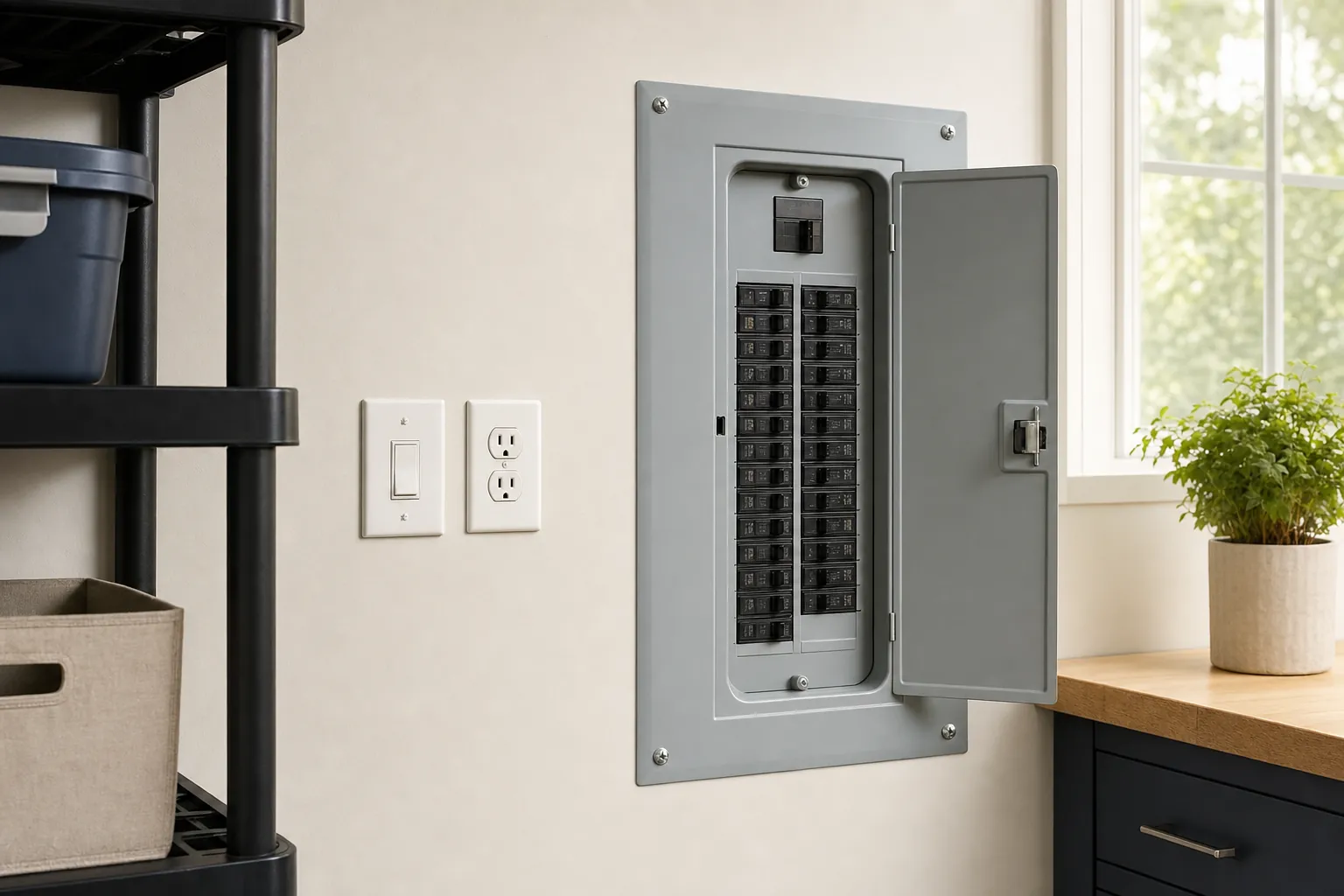
That review can be especially useful when the home is also planning an EV charger, generator, solar, battery storage, remodel, or major appliance change. Those projects can affect panel space and capacity. Looking at the electrical plan together is often clearer than treating each new device as a separate surprise. The electrical panel upgrades page outlines when a home may need more room or a stronger foundation for what comes next.
4. What whole-home surge protection can help with
A panel-level device is intended to reduce the effect of transient overvoltage across the home’s electrical distribution. That broader location is why it can support equipment on many circuits, including appliances and hardwired systems that cannot plug into a power strip.
It may be worth considering for a home with increasingly connected equipment, expensive appliances, a home office, entertainment systems, garage equipment, HVAC controls, solar or battery equipment, or planned upgrades. It is also sensible to discuss during a panel repair or upgrade, when the electrical equipment is already being evaluated.
The decision should remain practical. No homeowner needs a fear-based sales pitch. The useful question is whether the electrical system, the equipment you rely on, and the projects you plan make a panel-level layer of protection worthwhile. Hyperion’s whole-home surge protection service is built around that panel-first conversation.
5. What it cannot do
No surge protective device makes a home invulnerable. A direct lightning strike or a severe event can exceed the capacity of residential protection. A whole-home device also does not repair a loose connection, correct damaged wiring, add electrical capacity, or replace a breaker’s protection against overloads and short circuits.
It also does not replace good point-of-use protection where it makes sense. A whole-home SPD and a quality plug-in surge protector can be complementary. The panel-level device addresses the home more broadly, while the plug-in device is close to the electronics you most want to protect. This layered approach is commonly recommended because each layer has a different location and role.

A plug-in device should not be overloaded, daisy-chained, used as permanent wiring, or treated as a cure for a damaged outlet. If an outlet is warm, discolored, loose, wet, buzzing, or paired with a burning odor, leave it alone. See the safe first steps for an outlet that stopped working rather than trying to test the problem with another device.
6. Questions to ask before installation
An electrician can handle the technical decisions, but a homeowner can make the service visit more useful by describing what matters. Mention recent electrical concerns, equipment you want to protect, upcoming projects, and whether the home has had a major outage or surge event. You do not need to remove a panel cover or identify product ratings yourself.
- Is the panel in good condition and does it have appropriate space for the device?
- Is the proposed device compatible with the service equipment and electrical plan?
- Does the grounding and bonding system need attention first?
- Would a panel repair or upgrade make more sense to combine with this work?
- Which important electronics would still benefit from point-of-use protection?
- What does the device’s status indicator mean, and what should I do if it changes?
Those questions keep the conversation focused on the house instead of a generic product claim. They also make it easier to coordinate protection with a larger electrical plan.
7. Keep an eye on the protection after installation
Whole-home surge protectors often include an indicator light or display that helps show whether the device is still operating as intended. That indicator is useful, but it is not a reason to open the panel. Keep the product information with your home records, ask the installer what the indicator means, and make a note to look at it during ordinary home maintenance.
After a major electrical event, such as nearby lightning, utility trouble, or a severe outage, it is reasonable to include the device in an electrical review. The same is true if the indicator changes or an appliance behaves unexpectedly. A prompt inspection is more useful than assuming a device still offers the same protection it had on installation day.
8. How Hyperion helps homeowners plan the right layer of protection
Hyperion begins with the electrical panel, the equipment the household relies on, and any changes you expect to make next. That may mean a focused whole-home surge protection installation. It may also mean addressing a panel concern first or planning protection alongside a generator, solar, battery, EV charger, or service upgrade.
The goal is a clear recommendation that fits the home. For Prescott and Northern Arizona homeowners, contact Hyperion to arrange a service visit and talk through the electrical equipment and projects that matter most. For more on preparing for unstable power, the power outage preparation guide covers safe planning before the grid goes down.